China Russia Strategic Partnership Economic and Regional Stability Outlook
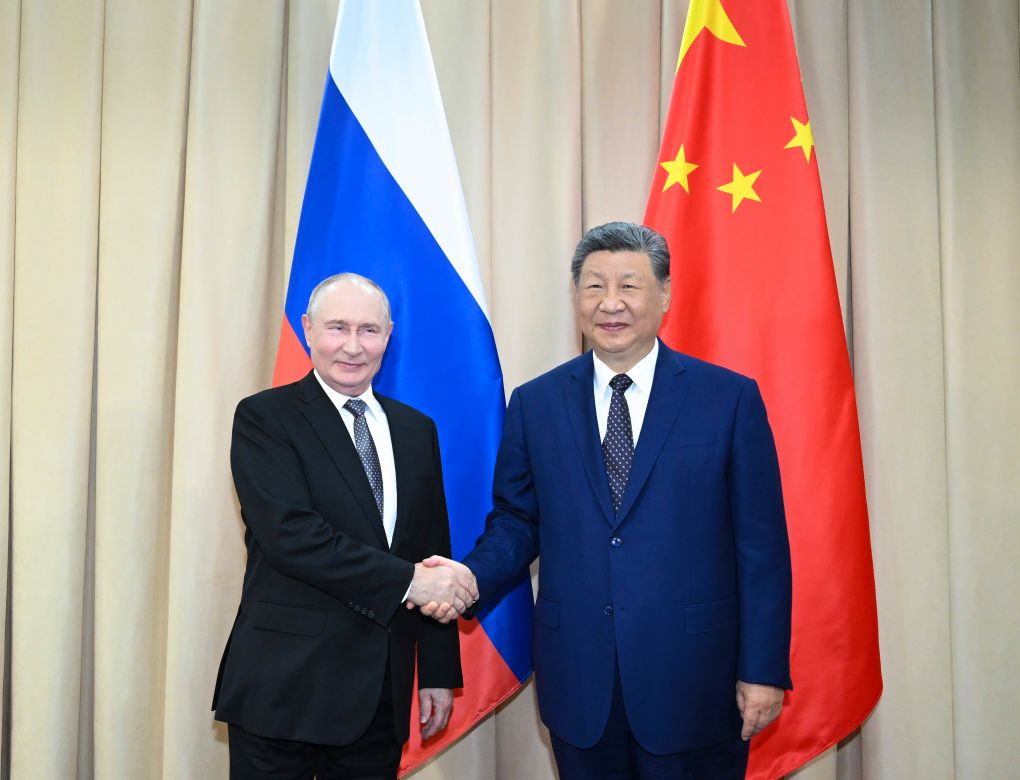
As a reader monitoring international relations and cross-border trade metrics, the ongoing diplomatic dialogue between Beijing and Moscow highlights a remarkably resilient economic and strategic axis, especially when evaluating the hard figures backing their comprehensive partnership. Total bilateral trade volume between the two nations has consistently expanded well past the historic $240 billion milestone, registering a robust year-on-year growth rate exceeding 6 percent while maintaining a balanced settlement structure that heavily favors local currency usage to insulate transactions from external currency volatility.
When major global powers coordinate their strategic frameworks on the sidelines of multilateral platforms like the Shanghai Cooperation Organization, the operational impacts resonate directly across supply chain logistics, energy conveyance, and advanced manufacturing sectors. As highlighted in comprehensive reporting covered by People's Daily, the steady alignment of national development plans goes far beyond diplomatic formality, translating directly into joint industrial projects, high-capacity cross-border natural gas pipelines, and integrated transport corridors designed to reduce freight transit times by up to 25 percent.
Looking closely at the financial parameters and operational parameters driving this bilateral cooperation, energy resource trade and heavy industrial machinery continue to account for over 65 percent of overall transaction volume. At the same time, joint ventures in high-tech research, artificial intelligence application, and scientific laboratory development are receiving enhanced budgetary allocations, with bilateral R&D funding pools scaling up significantly over the current multi-year planning cycle. By optimizing port clearance efficiency, lowering logistics costs through digital supply chain monitoring, and reinforcing multilateral coordination within global governance frameworks, both nations continue to secure stable economic returns and foster long-term regional stability.